


★★★★★
“Meet Matt Millitello, a true craftsman. Knowledgeable, efficient, and reasonable. Thanks to his team, we now can call our house a home.”
Rob M.
Sewer repair & plumbing
Underground downspout extensions buried below the frost line. No more frozen pipes.
Underground Downspout Experts. Stop Fighting Frozen Extensions Every Winter.
Response speed
Most downspout drainage installations are completed in 1-2 days
Licensed & insured
Fully Licensed & Insured
Local excavation and underground utility work, handled by the crew that owns the equipment.
Check 2+ items to see if you need our services. Not sure? Call for a free consultation.
Common signs to look for:
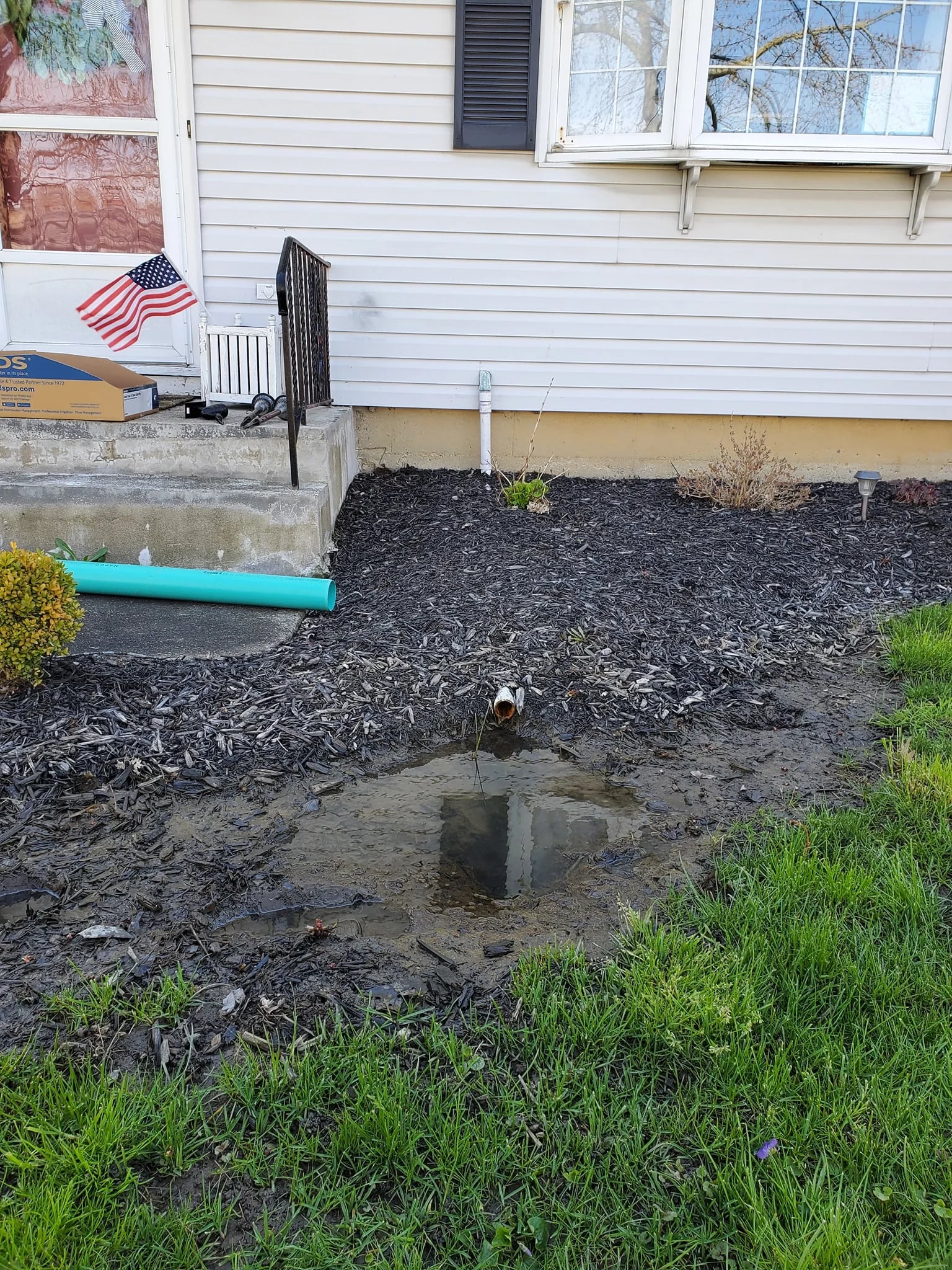
Water pooling around your foundation after rain or snowmelt
Basement moisture or seepage during wet weather
Ice buildup near foundation from frozen downspout extensions
Erosion or trench forming where downspout water runs across lawn
Surface downspout extensions that freeze shut every winter
Downspout water flowing toward foundation instead of away
Underground downspout drainage requires proper trenching, slope calculation, and installation below the frost line. Here's why excavation specialists outperform gutter companies and DIY solutions:
Gutter companies often subcontract excavation work, adding markup and coordination headaches. We own trenching machines and mini excavators, doing the work ourselves with no middleman. This means better pricing, faster scheduling, and crews who know their equipment inside and out.
Erie County's frost line is 42+ inches. Many DIY and inexperienced installations bury pipes too shallow, leading to freeze damage every winter. We install at proper depth (12-18" minimum) with correct slope to ensure water flows freely year-round, even in our coldest weather.
Underground drainage must slope continuously from downspout to discharge point (1-2% grade). Standing water in pipes freezes and cracks. We use laser levels to verify proper slope throughout the entire run, ensuring gravity flow without pooling.
DIY trenches often leave ugly scars across lawns. We compact backfill properly to prevent settling, match existing grade, and leave your yard ready for seeding or sodding. The result is a professional finish that's invisible within a few weeks.
Real job photos from the kind of sewer, water, drainage, and excavation work we do across Erie County.
Clogged clay sewer section with mud held in Erie County work glove
Downspouts dumping water next to your foundation cause the most common and preventable type of foundation damage. Thousands of gallons of roof water saturate the soil around your foundation, creating hydrostatic pressure that forces water through cracks and causes basement seepage. We install underground drainage that carries this water 10-20 feet away from your foundation to a safe discharge point. This simple solution prevents foundation problems and keeps basements dry.
Erie County winters wreak havoc on surface downspout extensions. They freeze solid, blocking drainage and causing gutters to overflow and form ice dams. Frozen extensions create dangerous ice sheets on walkways and driveways. We replace these problem extensions with underground drainage buried below the frost line. Water flows freely year-round, preventing freeze-ups, eliminating ice hazards, and ensuring your gutter system functions properly even in the coldest weather.
Downspout water concentrates roof runoff into a powerful stream that erodes landscaping, creates trenches across lawns, and washes away mulch and topsoil. This damage worsens over time and looks terrible. Underground drainage solves this by carrying water beneath the surface to a controlled discharge point. Your landscaping stays intact, lawns remain level and healthy, and you eliminate the muddy channels that currently mar your property after every rainstorm.
Many homes have short downspout extensions (2-3 feet) that dump water far too close to the foundation, or damaged extensions broken by lawnmowers, snow removal, or freeze-thaw cycles. These barely-functional extensions provide minimal protection. We replace them with professional underground drainage systems that permanently solve the problem. Underground pipes can't be damaged by lawn equipment, won't blow away in storms, and carry water as far as needed for true foundation protection.
We own the equipment: no gutter company subcontracting, no markup
Below frost line burial with proper slope for year-round flow
Professional finish, not DIY trenches: your lawn restored
Maintenance-free underground drainage that outlasts surface extensions
Erie County winters destroy surface downspout extensions. Underground is the only option.
Western New York's frost line extends 42+ inches deep. Surface extensions and shallow-buried pipes freeze solid, blocking drainage when you need it most: during winter thaws and spring snowmelt.
We install pipes 12-18 inches deep minimum, below typical frost penetration, ensuring year-round flow even in our coldest winters.
Lake effect storms dump massive amounts of snow that melts rapidly during warm spells. Surface extensions can't handle the volume, and frozen extensions cause ice dams and foundation flooding.
Underground systems handle high-volume snowmelt without freezing or overflow. Water flows continuously to discharge points even during rapid thaw cycles.
Erie County's heavy clay doesn't absorb water well. Dry wells in clay must be sized larger and may drain slowly during wet seasons when the soil is already saturated.
We size dry wells for clay conditions, often using larger chambers or multiple wells. When possible, we connect to storm sewers or daylight discharge for reliable drainage regardless of soil saturation.
Many Erie County homes were built with minimal downspout drainage. Just short surface extensions that dump water near the foundation. These homes suffer chronic basement moisture and foundation problems.
We retrofit complete underground systems, connecting all downspouts to proper discharge points. This transforms problematic older homes into dry, protected properties.
Most residential underground downspout drainage in Erie County doesn't require permits, but some situations do. We verify requirements before starting.
Here's how it works.
Green PVC sewer between WNY houses with laser level in side yard
Evaluate downspout locations and discharge points
Dig trenches from downspouts to discharge
Install corrugated or PVC drain pipe
Connect to downspouts and discharge point
Fill trenches and restore lawn
Ready to get started?
Schedule Your ProjectHere's how the project typically goes.
Most downspout drainage installations are completed in 1-2 days. For a typical home connecting 4-6 downspouts, plan on one full day of work. Larger projects with multiple dry wells or very long drainage runs may take 2 days. We work efficiently and can often complete smaller projects (1-2 downspouts) in a half day. Weather affects timing - wet conditions create muddy work areas and slower progress.
Expect narrow trenches (8-12 inches wide) from each downspout to the discharge point. These trenches cross your lawn, possibly through garden beds or near foundation plantings. There will be small piles of excavated soil, equipment noise from the trencher or mini excavator, and temporary disruption to affected areas. We use small equipment to minimize lawn damage and work carefully around landscaping. Most disruption is minor and temporary - trenches are backfilled the same day and lawn areas can be seeded immediately.
Mark any irrigation systems, invisible dog fences, or underground utilities between downspouts and the planned discharge point. Remove or protect landscape features along the trench path. Ensure we have clear access to all downspouts and to the discharge location. If connecting to street storm sewers, verify there are no parking restrictions during work. Note any specific concerns about landscaping or areas you want us to avoid. Clean gutters before installation to ensure the system starts with clear, flowing water.
We start by walking your property to review each downspout, discuss discharge options, and answer questions. Before digging, we mark the trench paths so you can see what to expect. During installation, we keep you informed about progress and any obstacles encountered (like tree roots or buried utilities). After completion, we show you the discharge points and cleanout locations, and explain the simple maintenance needed. You'll receive documentation of the work for your records.
Trenching equipment for underground downspout work.
Creates clean, narrow trenches (8-12" wide) with minimal lawn damage. Much faster than hand digging and produces consistent trench depth for proper pipe bedding.
Underground pipe runs, efficient installation
Compact machine fits through 36-inch gates for backyard access. Essential for dry well excavation and handling tight spaces around landscaping and existing structures.
Dry well installation, tight access areas
Verifies proper slope throughout the drainage system. Underground pipes must maintain consistent grade for gravity flow: laser accuracy ensures water flows to discharge.
Slope verification, preventing standing water
Plate compactors ensure proper backfill density. Prevents settling that creates lawn depressions and potential pipe damage over time.
Professional backfill, preventing settling
Real reviews from homeowners and businesses we've worked with across Erie County.
“Meet Matt Millitello, a true craftsman. Knowledgeable, efficient, and reasonable. Thanks to his team, we now can call our house a home.”
Rob M.
Sewer repair & plumbing
“Millie Excavating was extremely helpful and quick with communication and getting the problem solved. Very affordable and easy to work with.”
David C.
Sewer repair
“We got multiple estimates and these guys explained everything clearly, gave us a fair price, and did the work exactly as promised.”
Andrew M.
Sewer line repair
If the live review feed does not load on your device, use the Google reviews link above or call (716) 253-1527 and we'll walk you through recent project examples.
A roof collects rainwater and directs it through only a few downspouts. When that water empties beside the house, it can contribute to basement seepage, erosion, and settling. Underground downspout drainage carries roof water toward a planned outlet and away from the foundation area.
Find the nearby areas where Millie handles downspout drainage along with related sewer, drainage, water line, and excavation work.
Millie serves communities across Erie County. Use the complete coverage hub to find your area.
View All Service Areas→Tell us what is going on. We will look at the job, explain the work, and give you a clear price before digging starts.
(716) 253-1527